What is the difference between a chandelier and a pendant light?
The fundamental difference between a chandelier and a pendant light lies in their design and functional role within a space. A chandelier is typically a larger, more ornate fixture with multiple arms and light sources, often adorned with intricate details like crystals or elaborate metalwork, making it a statement piece ideal for grand spaces. In contrast, a pendant light is generally smaller and features a single light source that hangs down from the ceiling, often encased in a distinct shade or left exposed, providing focused, direct lighting suitable for task-oriented areas or as a subtle design element. While chandeliers are used to create an ambiance and add decorative elegance, often serving as a room’s centerpiece, pendant lights offer a more practical, versatile lighting solution, ideal for specific areas like over kitchen islands, dining tables, or reading nooks.
Let's get into the details.
When embarking on interior lighting design, understanding the distinction between chandeliers and pendant lights is fundamental. Both offer unique attributes and can dramatically alter the ambiance of a room, but their differences in features, styles, and applications are what set them apart. This guide provides an in-depth look at these differences, tailored for DIY homeowners and aspiring interior designers seeking to make informed decisions about their lighting choices.
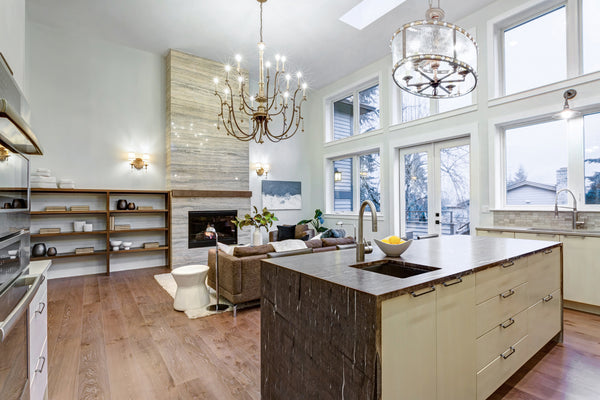
Chandeliers: Grandeur and Ornate Elegance
Chandeliers are often perceived as the quintessence of luxury and sophistication in lighting design.
Features:
-
Multiple Arms and Light Sources: A hallmark of chandeliers is their multiple arms, each supporting individual light bulbs or candles, contributing to a lavish display of light.
-
Intricate Design Elements: They frequently boast elaborate details, such as cascading crystals, ornate metal scrollwork, or decorative beads, creating a visually stunning centerpiece.
-
Large Scale: Chandeliers are generally larger and demand attention, making them suitable for expansive spaces.
Styles:
The range of chandelier styles is vast – from classic crystal designs reminiscent of opulent ballrooms to contemporary pieces that embrace minimalism with sleek lines and unadorned simplicity.
Visual Scenario and Integration:
-
Formal and Grand Spaces: Envision a chandelier in a grand foyer, its crystals casting a prism of light across the walls, or a sophisticated fixture hanging above a large dining table, radiating elegance.
-
Considerations for Placement: The grandiose nature of chandeliers means they require ample space – both in ceiling height and room size. They should be proportionate to the room to avoid overwhelming the space.
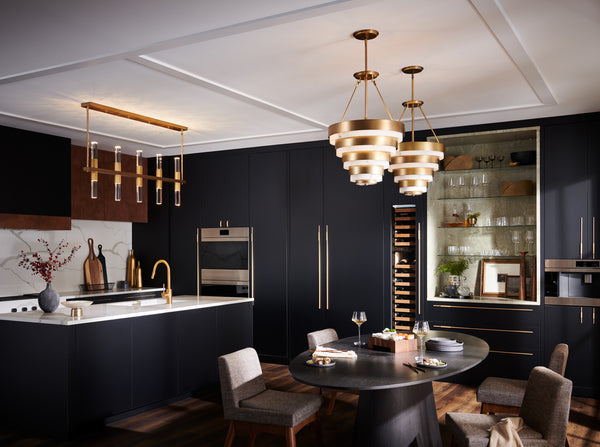
Pendant Lights: Functional Elegance and Versatility
Pendant lights are celebrated for their versatility and focused functionality in interior design.
Features:
-
Single Hanging Light: Typically, a pendant light features a single bulb enclosed in a shade or left bare, hanging from a cord, chain, or metal rod.
-
Simplistic Design: Unlike chandeliers, pendant lights lean towards a more straightforward, often modern design, focusing on clean lines and form.
-
Directed Illumination: They excel in providing targeted lighting, perfect for specific tasks or highlighting areas of interest.
Styles:
Pendant lights range from industrial metal finishes to delicate glass forms, rustic wooden designs, and even bold, artistic expressions.
Visual Scenario and Integration:
-
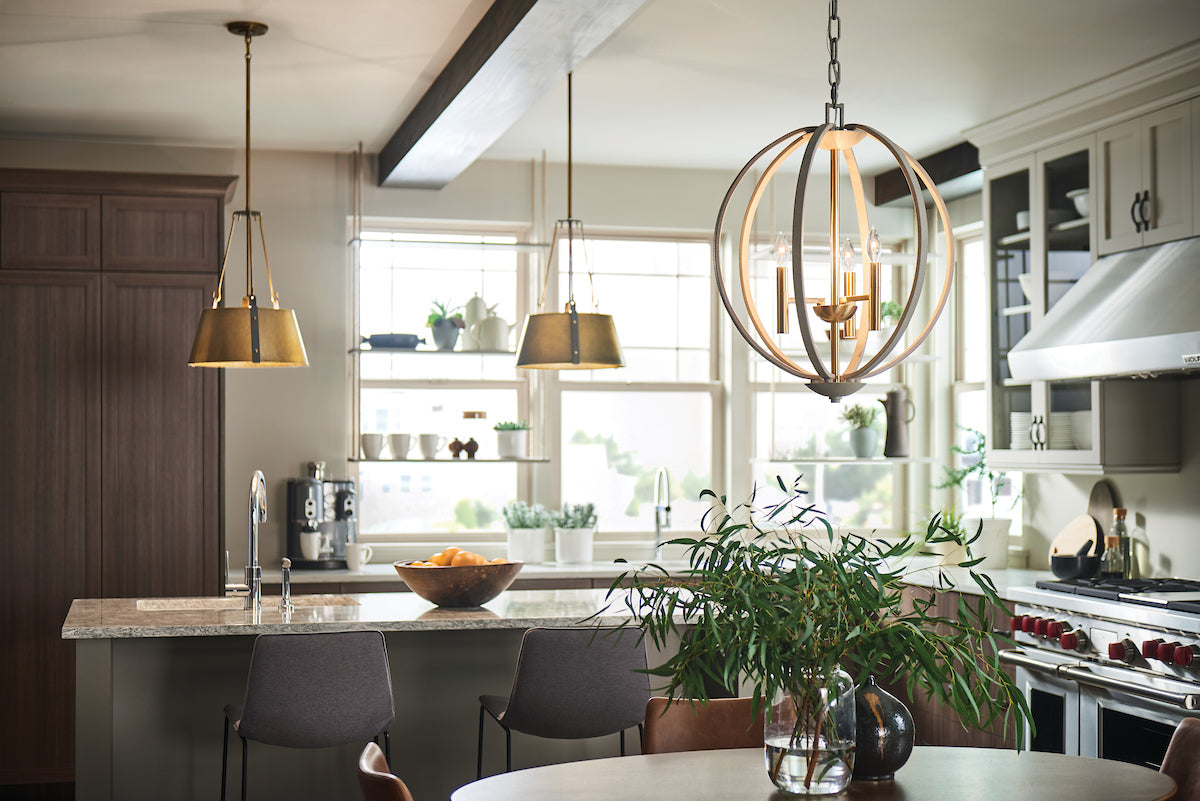
Task-Oriented Areas: Imagine a row of sleek pendant lights above a kitchen island, each casting a focused beam that illuminates the workspace below, or a series of small pendants creating a rhythmic visual path along a hallway.
-
Grouping and Versatility: Pendant lights can be grouped for greater impact or used singly in smaller spaces. They offer the flexibility to adapt to various settings and design themes, from cozy nooks to modern kitchens.
Understanding the Distinction
The key differences between chandeliers and pendant lights lie in their scale, complexity, and intended use within an interior space.
-
Aesthetic Impact: Chandeliers command attention with their intricate designs and sprawling form, making a dramatic decorative statement. Pendant lights offer a more understated, focused approach, complementing the room’s decor without dominating it.
-
Lighting Purpose: Chandeliers generally provide ambient lighting, bathing an entire room in light, while pendant lights are more for task lighting, concentrating light on specific areas.
-
Suitability: The choice between a chandelier and a pendant light often comes down to the room’s size, ceiling height, and the desired aesthetic effect. Chandeliers are ideal for larger, more formal spaces, whereas pendant lights can fit into a variety of environments due to their adaptability.
For those looking to enhance their home or design project with the right lighting, understanding the differences between chandeliers and pendant lights is crucial. Chandeliers offer opulence and are a centerpiece in themselves, suitable for spaces where grandeur is desired. Pendant lights, with their functional elegance, offer flexibility and are ideal for adding style and focused lighting to various areas of a home. Whether selecting a chandelier or a pendant light, consider the ambiance you wish to create, the scale of the fixture in relation to the room, and how it complements the overall design theme to achieve a harmonious and well-lit space.
Helpful Links:
Chandeliers: Sizing & Placement
What is the ideal size light fixture for a room?

Comments
Leave a comment